
Frankie was born in this prison. His mom, Curly, had been here at least five years at that point.
As Frankie grew up, everyone knew who he was. If you didn’t know any better, you would think he was part human. But Frankie was actually an orange and white tabby cat.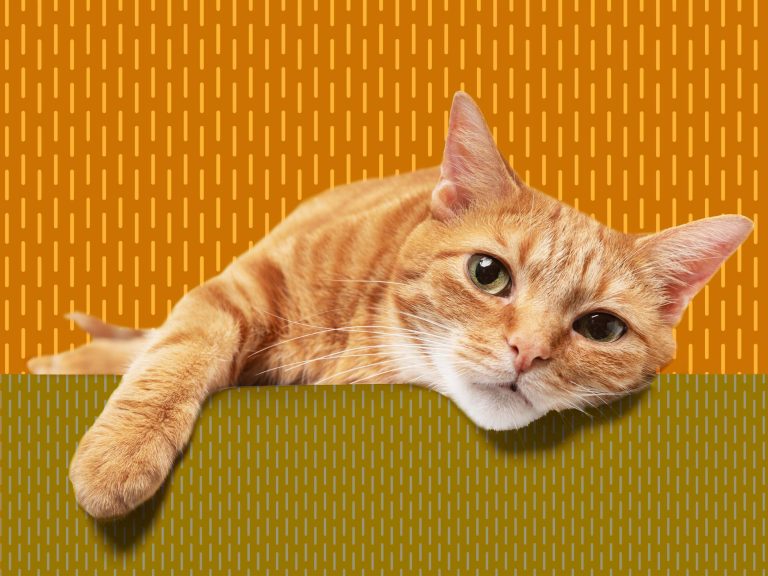
When I was sent to prison, I missed my family. But I also really missed animals. I grew up loving my cats and dogs. They were like family.
I was devastated when those pets died while I was in prison. I felt like I had let them down.
That’s when I met Frankie. He reconnected me to a part of my life before prison that I had been missing. Frankie made me feel a little more human, like my past self.
A calming cat
Frankie came from Curly’s third litter. He mostly lived in my housing unit’s back yard. I was a mentor for the dialectical behavior therapy program, which helped women with personality disorders. Frankie was our unofficial therapy cat.
The ladies would sit outside petting or holding him when they were stressed. He would meow as if he understood their problems.
He was so socialized from being around the 1,800 women in this facility that he would come running when called. He would look in our windows, and wait for us to finish class. When we told him to hide, he would.
This prison did not officially embrace animals. It was against policy to feed or mingle with the stray cats that wandered here. Most officers yelled at us or wrote us up if they saw us socializing with one. But most of the residents, and even a few staff, fed them secretly. We petted them, picked them up and named them. 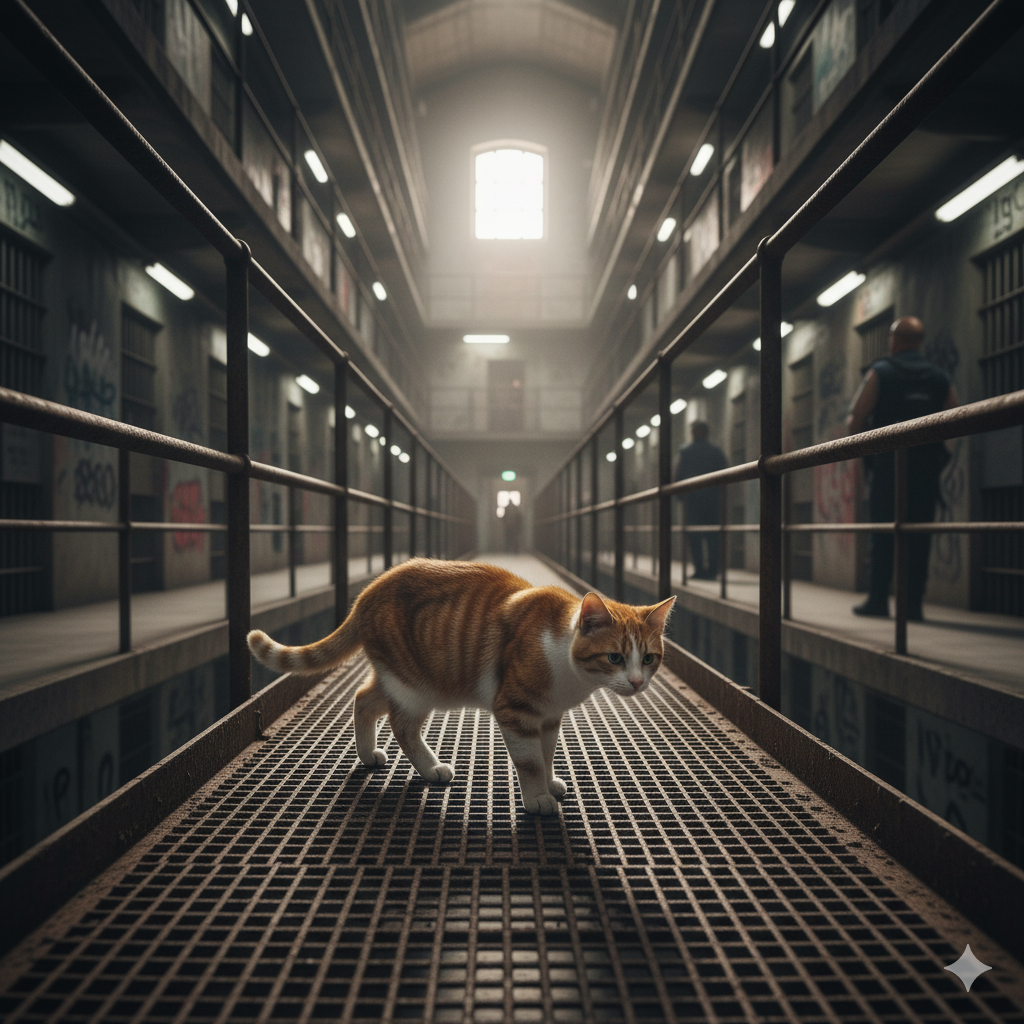
Frankie had it made
When winter came, we constructed a cardboard house and filled it with blankets we crocheted for Frankie. When it was freezing out, we sat outside and held him in our coats next to a soda bottle filled with hot water. The 40 women in the unit took shifts keeping him warm.
Eventually, we snuck him inside. Frankie knew to be quiet, and he never went to the bathroom inside. He would just sprawl out on a bunk, purring himself to sleep. When staff came to count the population — a security measure — he knew to hide under the covers or the bunk.
One night it was my turn to sleep with Frankie. I was so excited. Frankie climbed in my bunk, sprawled out next to me and nodded off. He woke me up at least once every hour that night, climbing in and out, meowing and purring.
By the time morning came, I was ready to sneak him back out to the yard. We had one officer who would open the backyard door for us to sneak him out when she came in during her first round at 6 a.m.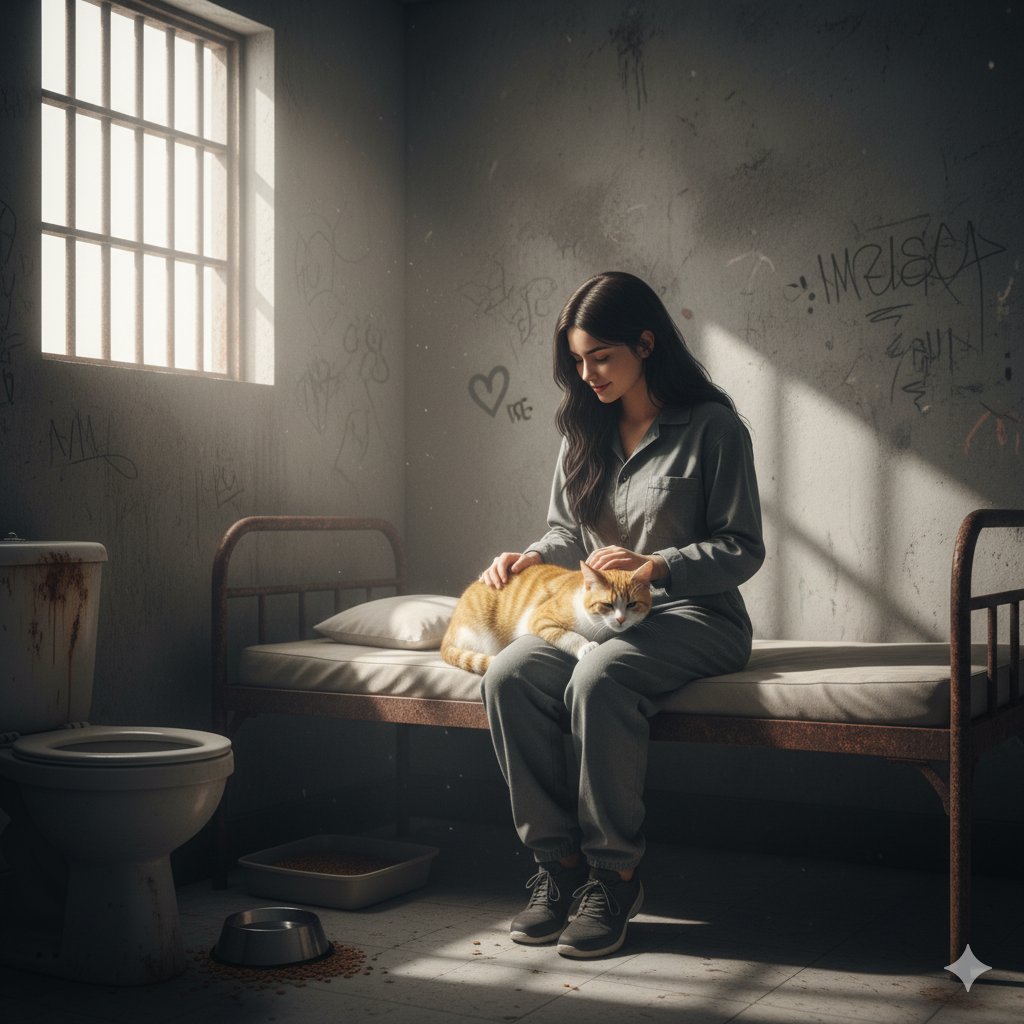
Frankie ate better than any of us did. He dined on chicken, tuna and salmon from the commissary. He would even eat pasta and pizza from our trays. Frankie had it made in prison.
A new life
Eventually, Frankie met his mate, whom we called Mama. When feeding time came, he would step back and let her eat first.
Mama was soon pregnant and growing. When she got sick, one of my co-workers convinced a maintenance man who liked animals to take her to the vet. We figured this was a good opportunity to sneak Frankie out of the prison, too. We didn’t want to lose Frankie but this was a chance to give him parole. He could be adopted by a loving family.
The day Frankie left was bittersweet for all of us in the therapy program. Our hearts were heavy, but we wanted what was best for him.
We heard later that Mama had three kittens in the shelter she and Franke went to, but she died during labor. It had taken too long to get her the care she needed.
Weeks later, a friend who was paroling adopted Frankie at my request.
For a few years, I sent Frankie stuffed animals and blankets I crocheted. I listened to his meows over the phone. I shared photos of him with other people who loved him too.
After my friend completed her parole, we lost touch, as is often the case. So I lost touch with Frankie, too. Wherever he is, I hope he is safe, healthy and happy.
The Cat Who Helped Women at a Michigan Prison
by Lori Towle, Prison Journalism Project
October 23, 2025
Comments