

 Women at my Virginia prison filed a class-action lawsuit in 2012 for unconstitutional health care. A decade later, there are still problems
 by Chanell BurnetteFebruary 2, 2023
Aging in Prison: Special Series
Prison makes an awful elderly care facility, yet more prisons are rapidly becoming just that.
Thanks in large part to longer prison sentences and decreasing rates of parole, the number of incarcerated people 55 and older has climbed from 48,000 to 154,000 over the last two decades.
In 2019, this age cohort made up 63% of state prison deaths for the first time since figures were tracked, according to the most recent data available.
Prison Journalism Project’s special project on America’s graying prison system is a collection of stories from incarcerated writers that chronicle different facets of growing old behind bars.
Subscribe to Inside Story to receive exclusive behind-the-scene looks at our best stories, as well as author profiles and other insights.
Posted inKitesThis Prison’s Bad Health Care Just Gets Worse With AgeWomen at my Virginia prison filed a class-action lawsuit in 2012 for unconstitutional health care. A decade later, there are still problems
by Chanell BurnetteFebruary 2, 2023
Republish This Story
FacebookXBlueskyLinkedInWhatsAppEmailPrint
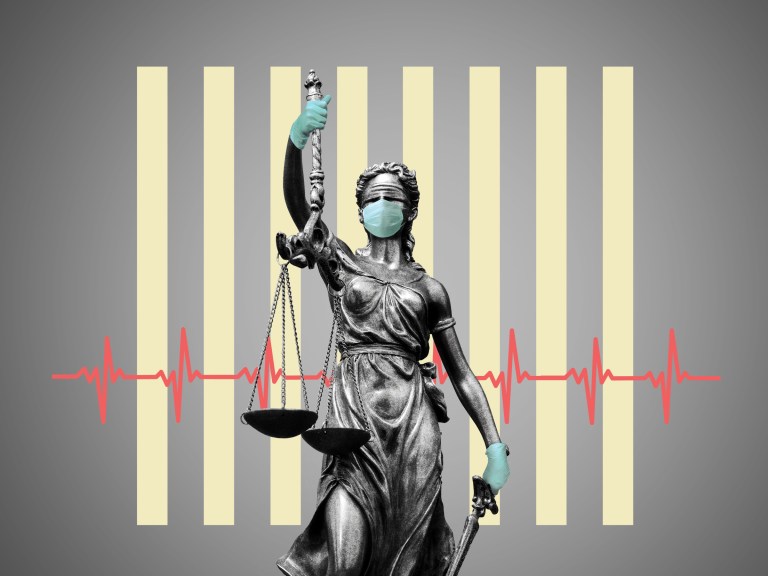
Photo illustration by Teresa Tauchi
The following story is part of PJP's special project, "The Graying of America’s Prisons." For this series, we curated reported stories and essays from across the country to catalyze a conversation about the now-ubiquitous phenomenon of growing old behind bars. Read all of the stories in the series here.
Mary Parr, 88, has spent the past three years of her life in Fluvanna Correctional Center for Women in central Virginia. Parr has a heart condition and is severely hard of hearing. In prison, every day is a challenge for her.
“Five minutes could mean the difference between living and not living,” Parr said.
Parr is still sharp and independent, but she said she’s worried her heart condition could worsen if left untreated. It’s difficult to secure medical treatment in Fluvanna, Parr said.
Her claims are backed by the Virginia court system.
In 2012, the Legal Aid Justice Center filed a class-action lawsuit against the prison, alleging that Fluvanna was providing “constitutionally inadequate medical care” to the 1,200 incarcerated women at the prison. A consent agreement reached in 2016 required the prison to meet areas of compliance for medical care. In June, an independent court-appointed monitor found the prison out of compliance in two of 14 assessment areas, according to The Appeal. (The Virginia Department of Corrections rebuked the monitor’s findings.)
The report in June found that five women had been given the wrong medication. It also found that, on four occasions, security staff members were late to respond to pressed call buttons. On two of those occasions, the report claimed, the delays forced women to urinate or defecate into bags because most cells at Fluvanna don’t have toilets.
Court declarations filed on behalf of incarcerated women at Fluvanna earlier last year allege that “medical providers treat them with hostility, belittle their symptoms and delay necessary care,” according to The Appeal article.
For now, women in Fluvanna continue to navigate health care and aging by trying to take care of themselves as best they can. Tammy Hounshell, 50, has congestive heart failure and needs to follow a special diet, but foods to meet that diet are unavailable. She longs for better meals and an exercise program.
Keep this journalism independent. Your donation is matched x2 today!
Hounshell said aging in prison has led to negative health outcomes. Since becoming incarcerated four years ago, she’s lost 95 pounds.
“It takes a toll on your physical and mental health,” she said.
Hounshell believes she is aging faster because she is in prison — and there is some research from the University of Iowa and elsewhere to support her belief. She has experienced issues including joint pain, worsening eyesight and fatigue. She said she moves slowly now when getting ready for daily activities.
Danita Corbin, 51, has been incarcerated for the last 23 years, and knows well the effects of aging in prison.
She is still exceptionally healthy, suffering only from sinus issues and mild arthritis that she attributes to being confined for so many years. But she still feels that aging in prison leads to health deterioration and mental health problems.
Corbin would like access to healthier foods and more opportunities to exercise, along with better mattresses and health care products. She said that the prison health care system mostly focuses on prescriptions and some treatment for people with chronic conditions, but not much else.
All three women said they feel disconnected from the younger prison population though Corbin said she strives to remain youthful by taking care of her body, mind and spirit.
Collectively, they agreed that they are aging at a faster rate in prison than they would if free, but they each try to take good care of themselves.
They all had the same advice for young women with lengthy sentences: Get all the education you can, and do something to better yourself.
“If you’re planning to leave,” Parr said, “you have to keep active.”
(Additional reporting by PJP)
Did this story change the narrative for you?
PJP has published 2,581+ stories from 826+ writers — because of readers like you. Your gift is matched x2 today!
Donate
Comments