This is an article written by one of our good friends on tic tok Aaron Peila. Aaron has a live podcast on tick tock that advocating for prisoners and prisoners rights while informing the public in general what's really happening behind the wall. He goes live every Saturday and Sunday morning at 9:30 am mountain standard time.
Defense attorneys view Senate Bill 244 (SB 244) as a pivotal development in the broader context of justice reform efforts in Georgia. Here are the key aspects of their perspective:
Defense attorneys believe that Senate Bill 244 (SB 244) will have a significant impact on the justice system in Georgia, primarily in terms of accountability, compensation for wrongful convictions, and the overall integrity of prosecutorial conduct. Here are the key points reflecting their perspectives:
1. Enhanced Accountability for Prosecutors: Defense attorneys view SB 244 as a critical measure that holds prosecutors accountable for misconduct.
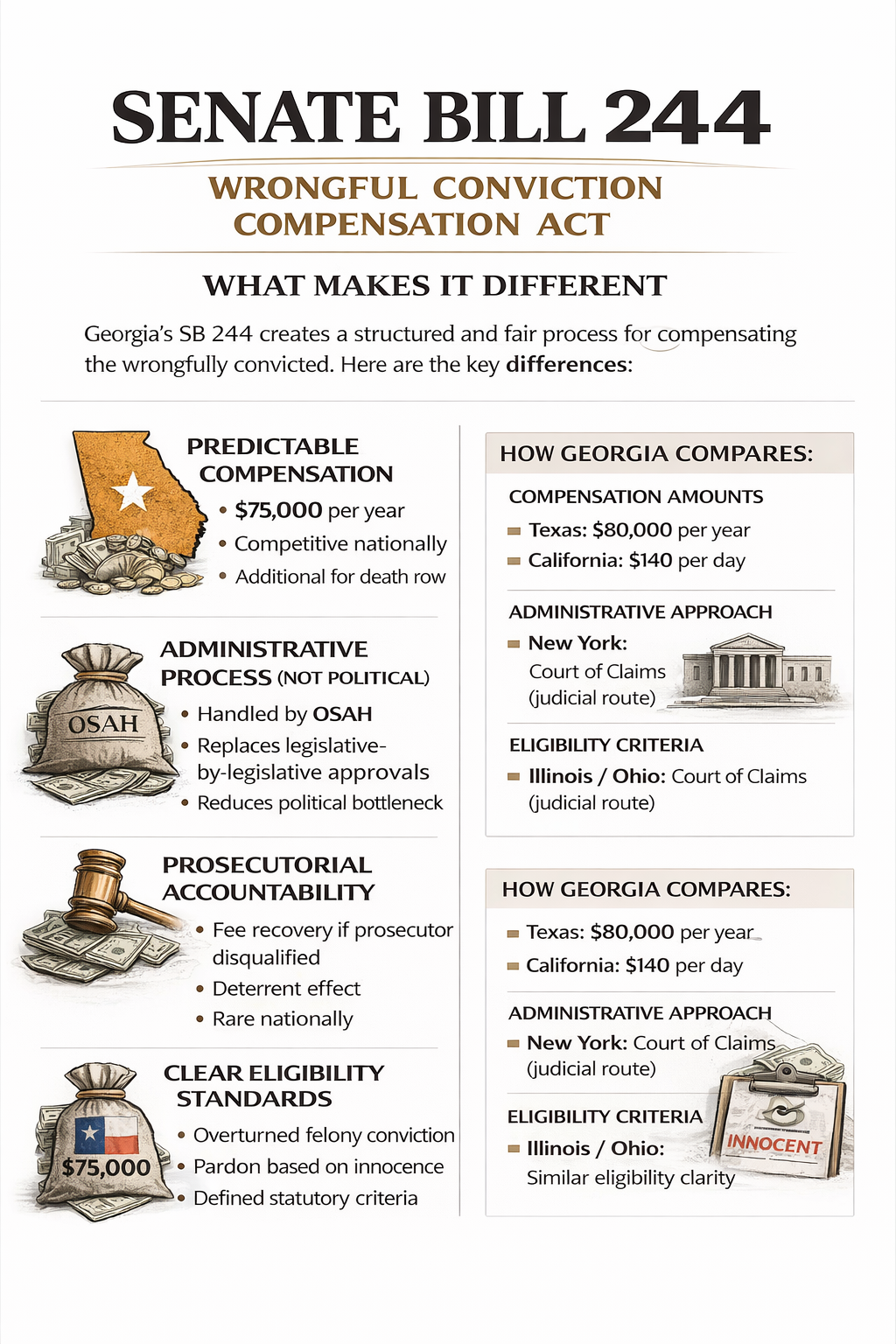
Senate Bill 244 (SB 244) in Georgia, known as the "Wrongful Conviction and Incarceration Compensation Act," establishes a formal process for compensating individuals wrongfully convicted of crimes. It allows eligible claimants to receive $75,000 for each year of wrongful incarceration, with additional compensation for those who spent time on death row.
Kenneth Adkins has spent years in a place no one should have to learn patience — waiting for the system that took his freedom to finally listen. Before his arrest, Ken was known across coastal Georgia and northeast Florida as a public relations professional, political consultant, and community voice. He helped shape campaigns, build organizations, and advise leaders.
Police misconduct is notoriously difficult to track, penalize, and prevent, a problem that advocates have increasingly focused on in the years since the murder of George Floyd.
In Georgia, access to government records is governed by the Georgia Open Records Act (GORA). This law gives the public the right to inspect and copy public records held by state and local agencies, including law enforcement, jails, prosecutors, courts, and correctional facilities.
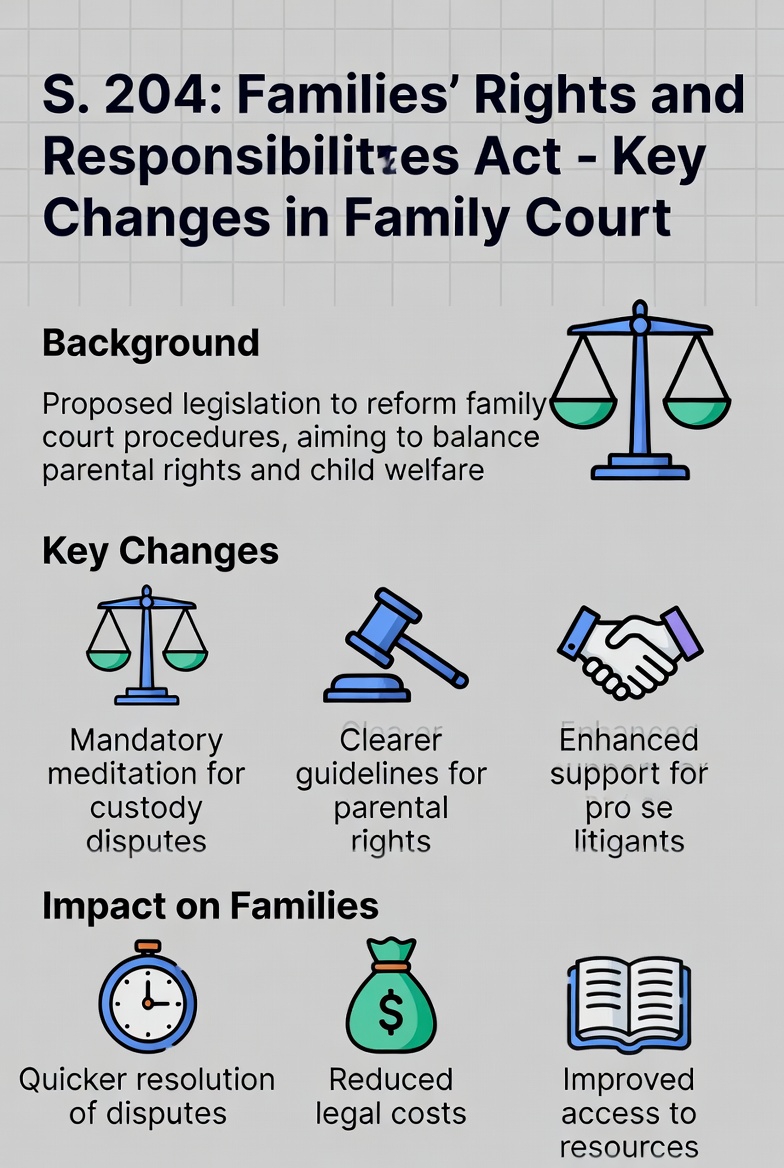 S. 204: What the Families’ Rights and Responsibilities Act Would Change in Family Court