JUSTICE FOR
ADAM LEISHER
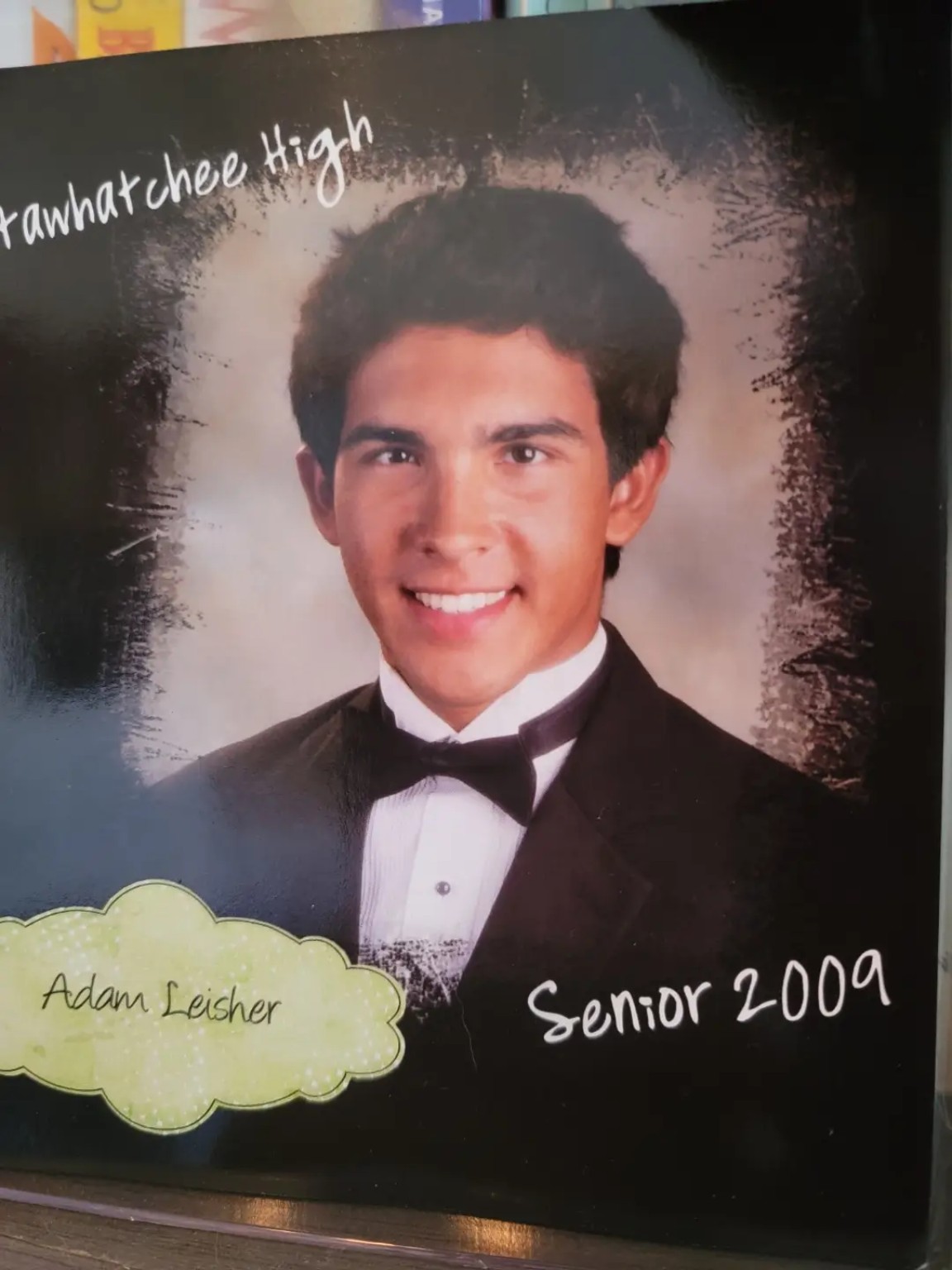
Adam Leisher. Photograph provided by his mother, Farah Awan.
Who Was Adam Leisher?
Adam was more than the circumstances of his death. He was a son, a scholar, a professional, a teacher, a friend and a man with a life full of accomplishments, relationships and plans.
His mother, Farah Awan, describes Adam as brilliant. According to Farah, Adam was an organizational psychologist whose professional and academic life included work with NASA, work for a private university, and service as an assistant to a professor at the University of Central Florida.
Farah remembers Adam speaking before university audiences of more than 200 people. He was comfortable standing in front of an auditorium and sharing what he knew.
For Farah, some of the memories that matter most are much smaller and much more personal.
The Japanese Rock Garden
Farah remembers Adam coming home from UCF for a short visit around spring break. He was only home for about three days, and it rained throughout the visit.
They decided to change the backyard and came up with the idea of building a Japanese rock garden together. The rocks were expensive, heavy enough to weigh down Farah's 4Runner, and the weather refused to cooperate.
Adam didn't care.
So they worked through the rain and finished it together.
Years later, Farah can still walk into that yard and see pieces of Adam there — the garden they built, the grapes, the berries and the things that continue to grow.
That is the Adam his mother is fighting for people to remember.
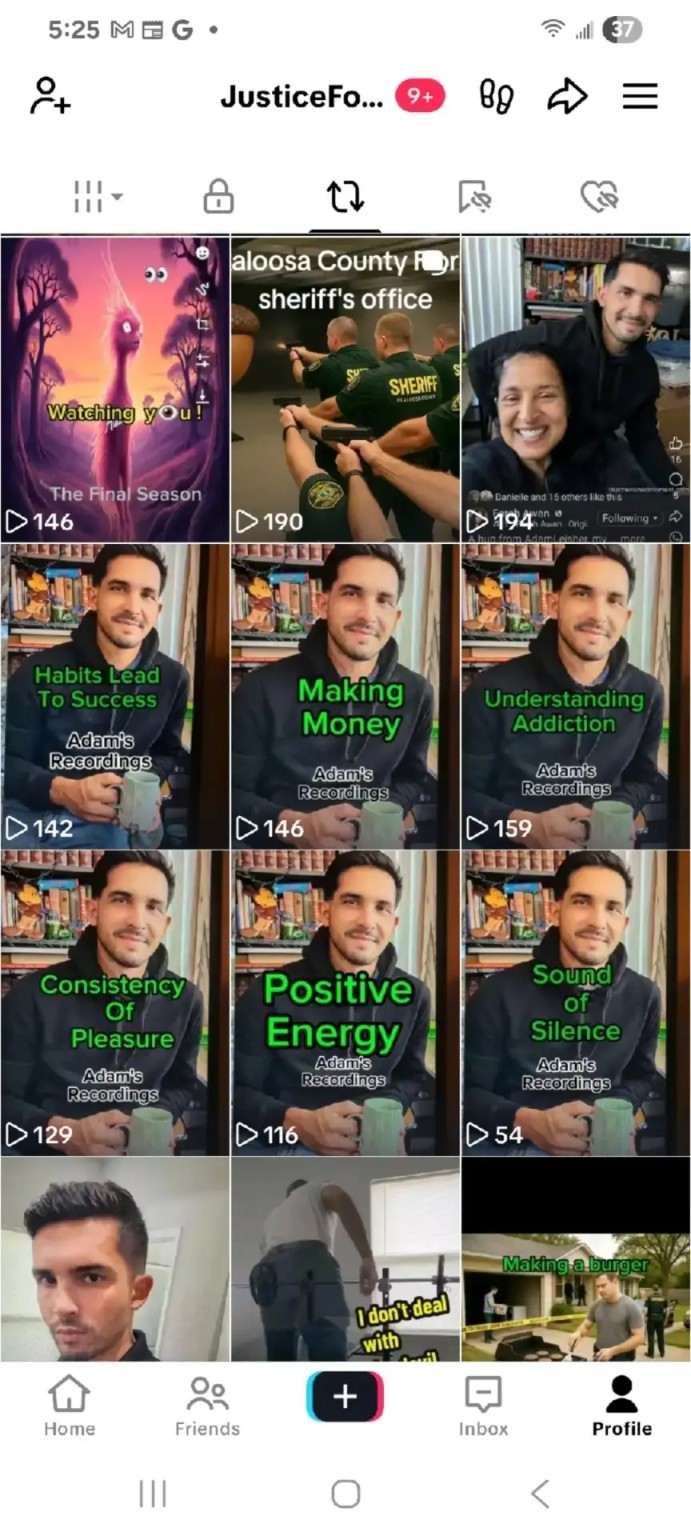
Portrait of Adam Leisher shared by his mother.
His mother says the questions began almost immediately.
What Happened?
Authorities responded to a welfare check at a residence in Okaloosa County, Florida, where Adam was found dead.
According to Farah and the materials she has reviewed, officials began identifying Adam's death as a suicide almost immediately after gaining access to his locked bedroom.
Farah says body-camera footage shows deputies announcing that conclusion as the door was being opened, before they had meaningfully approached or examined Adam's body.
She further reports that the matter was closed approximately 20 minutes after the bedroom door was opened and that personnel assigned to conduct additional review arrived after the case had already been closed.
Questions Raised by Adam's Mother
Farah is not asking the public to accept a predetermined answer. She is asking why significant investigative and evidentiary questions remain unresolved.
1. The Immediate Classification
Farah says officials identified the manner of death within seconds of entering the room. She wants to know what evidence supported that conclusion at that stage.
2. The Rapid Closure
Farah reports that the matter was closed in approximately 20 minutes. She questions whether that allowed enough time to properly examine the scene, document evidence, interview relevant people and reconcile the timeline.
3. No Autopsy
Farah says an autopsy was initially scheduled but later canceled. She continues to seek a complete explanation for that decision.
4. No Meaningful Neighborhood Canvass
Farah says neighbors had previously reported problems involving people associated with the residence, but those neighbors were not meaningfully interviewed following Adam's death.
5. Conflicting Timelines
After reviewing footage, records, communications and witness information, Farah believes significant inconsistencies remain unresolved.
6. Other Physical Evidence
Farah has raised questions concerning the position and handling of physical evidence, indications she believes may involve more than one projectile, and personal property she says was missing or stolen.
The Firearm. Adam's Hand. Adam's Injuries.
The Firearm Was Reportedly Found in Adam's Non-Dominant Hand
Farah says Adam was right-handed, yet the firearm at the scene was found in his left, non-dominant hand. She believes that circumstance should have been carefully documented, examined and reconciled before investigators reached a final conclusion about how Adam died.
Adam Had Physical Injuries
Farah also reports that Adam had multiple physical injuries. She wants those injuries fully documented and considered alongside the condition of the scene, the firearm placement, the timeline and the other physical evidence.
A Mother Became the Investigator
After Adam's death, Farah began gathering and preserving information herself.
Materials Farah reports collecting include:
Farah has also pursued civil litigation involving officials and agencies connected to the handling of Adam's death. Prison Project will add verified case information and significant court developments as those records are received and reviewed.
Why Prison Project Is Documenting This Case
Prison Project is not declaring that it already knows what happened to Adam.
We are documenting why his mother believes the original inquiry was inadequate and prematurely concluded — and preserving the questions and evidence she believes still demand examination.
It should not replace one.
When a person dies, the public should be able to expect that officials will preserve the scene, document physical evidence, examine injuries, interview relevant witnesses, reconcile conflicting timelines and explain how their conclusions were reached.
A grieving mother should not have to reconstruct the investigation herself simply to learn what happened to her son.
Building the Public Record
This is a developing advocacy page. Prison Project will continue organizing and adding verified material as it becomes available.
Adam Was More Than a Police Report.
He worked. He studied. He taught. He built things with his mother.
He had a life before December 23, 2024.
His mother is still asking for answers. Prison Project will continue documenting her search for the truth and building the public record of Adam's case.