The United States holds roughly 20–25% of the world’s incarcerated population despite making up only about 4% of the world’s population. Think about that for a second.
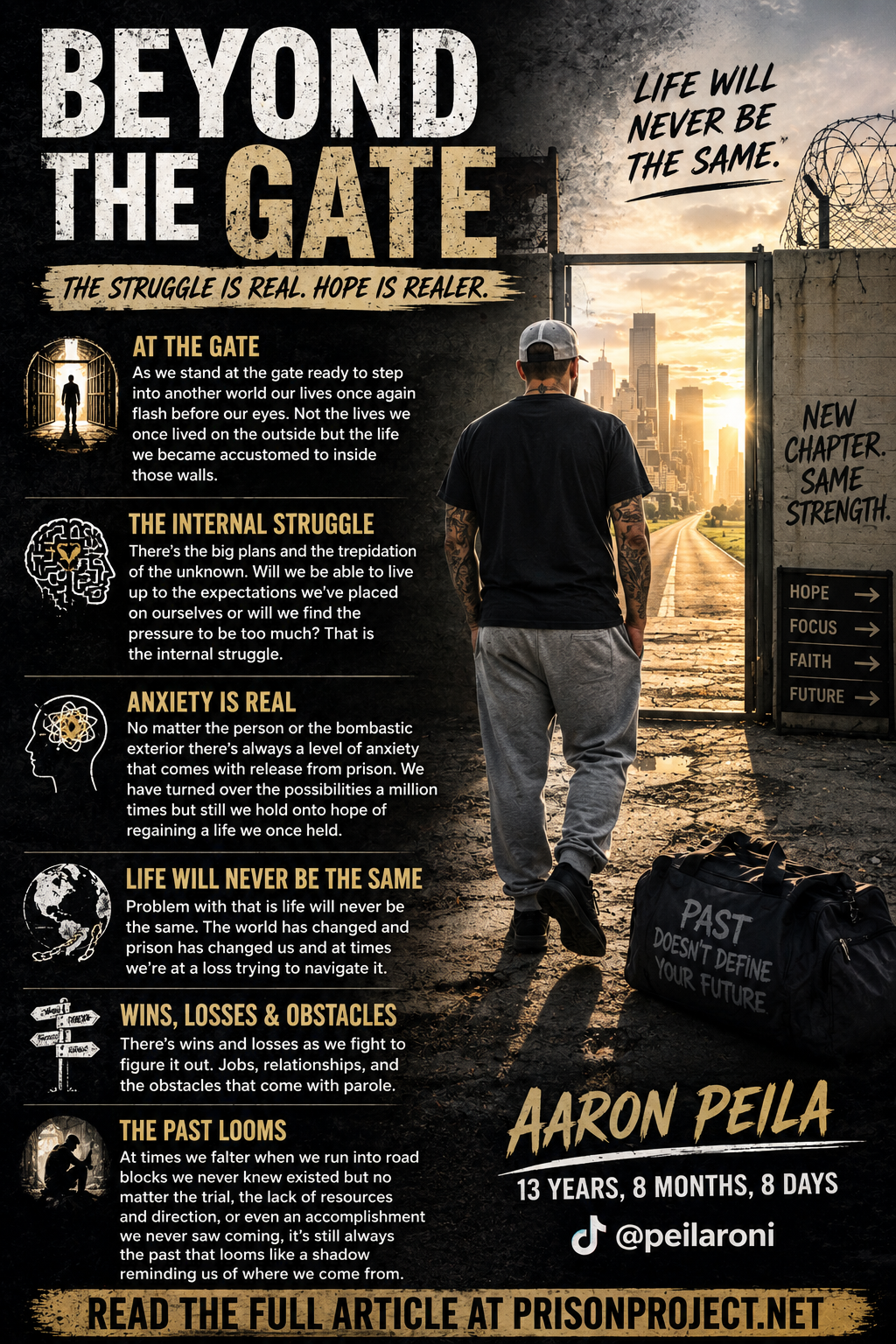
As we stand at the gate ready to step into another world our lives once again flash before our eyes. Not the lives we once lived on the outside but the life we became accustomed to inside those walls. There’s the big plans and the trepidation of the unknown.
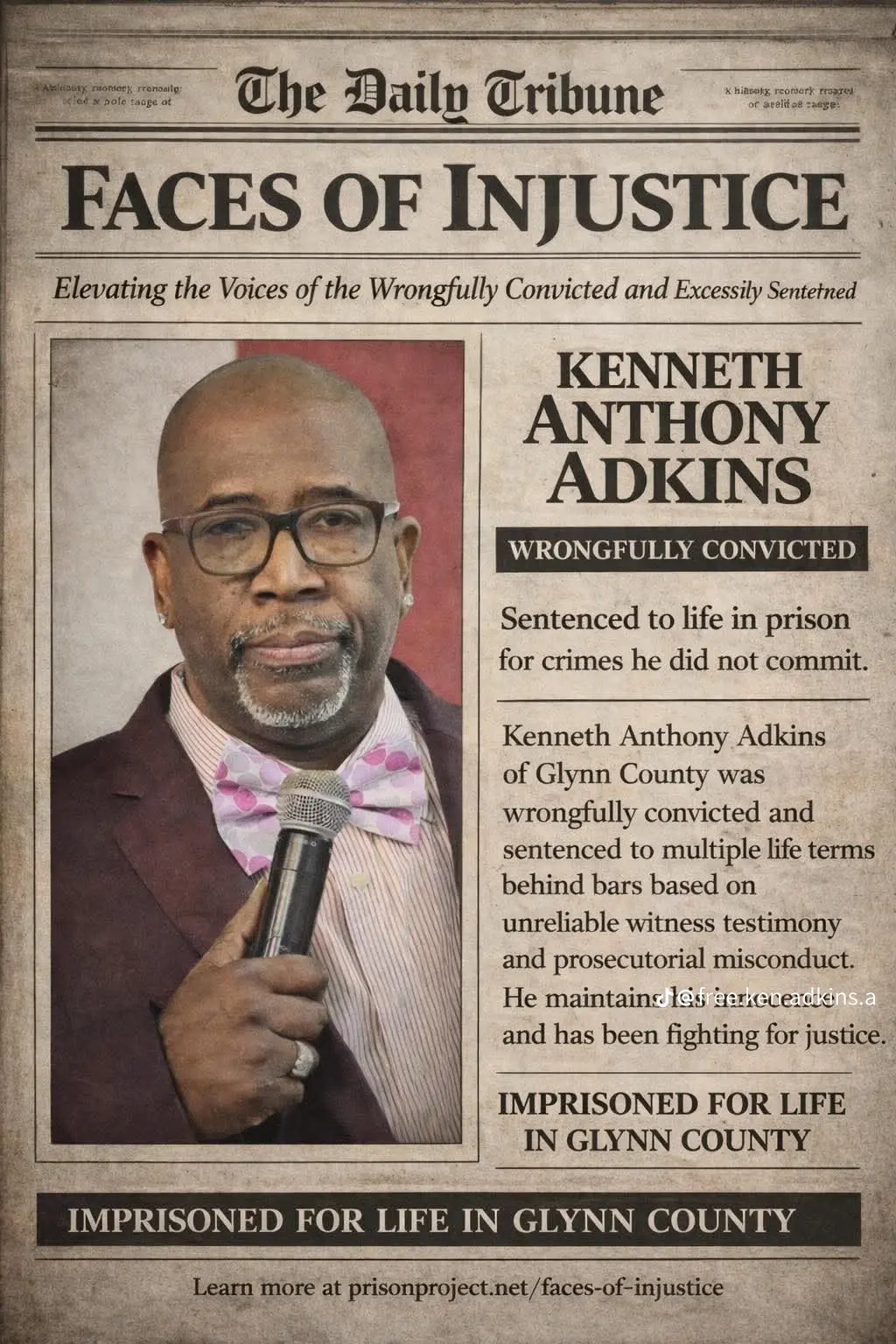
# JUSTICE DENIED: THE DOCUMENTED WRONGFUL CONVICTION OF KENNETH ANTHONY ADKINS
## New Evidence — Including a Sworn Affidavit from the Alleged Female Victim Herself — Raises Serious Questions About One of Brunswick Georgia's Most Controversial Prosecutions
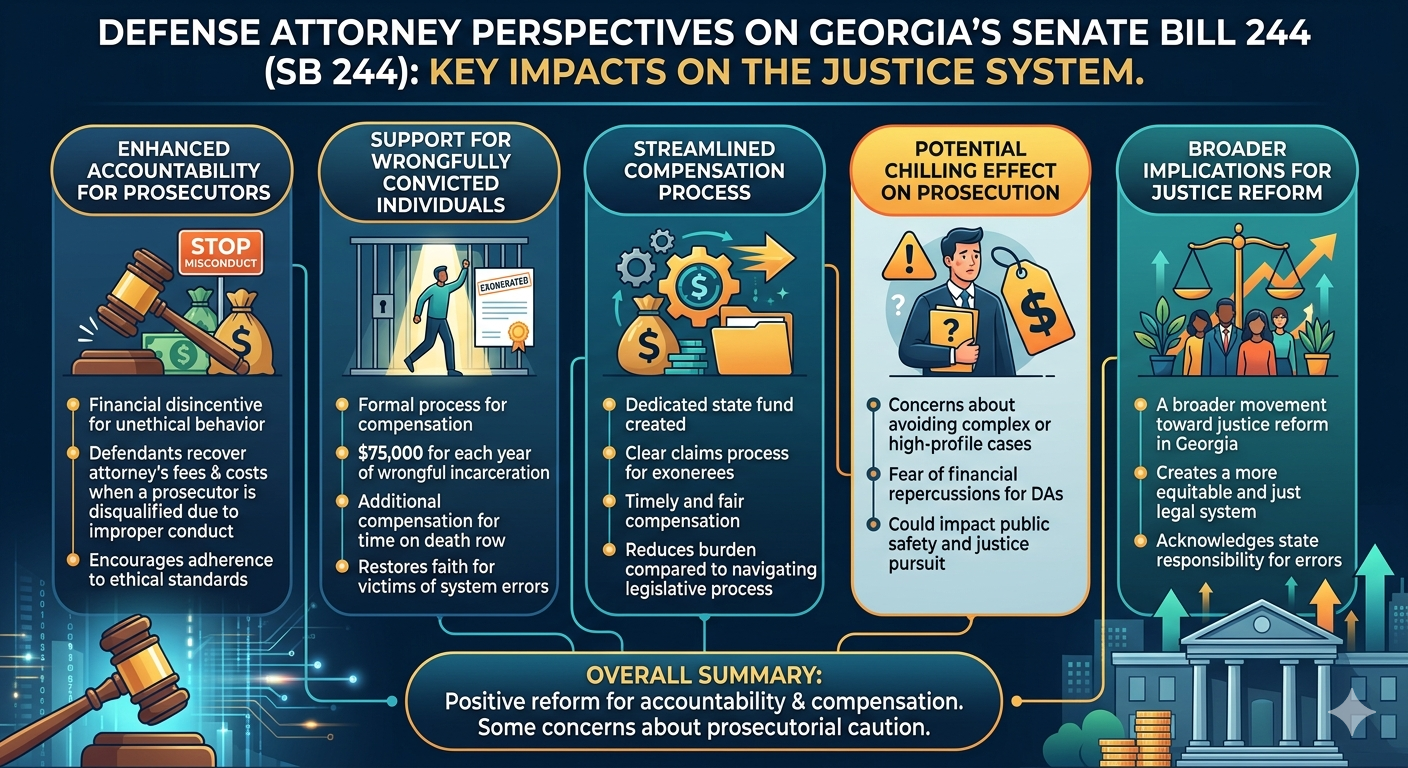
Defense attorneys believe that Senate Bill 244 (SB 244) will have a significant impact on the justice system in Georgia, primarily in terms of accountability, compensation for wrongful convictions, and the overall integrity of prosecutorial conduct. Here are the key points reflecting their perspectives:
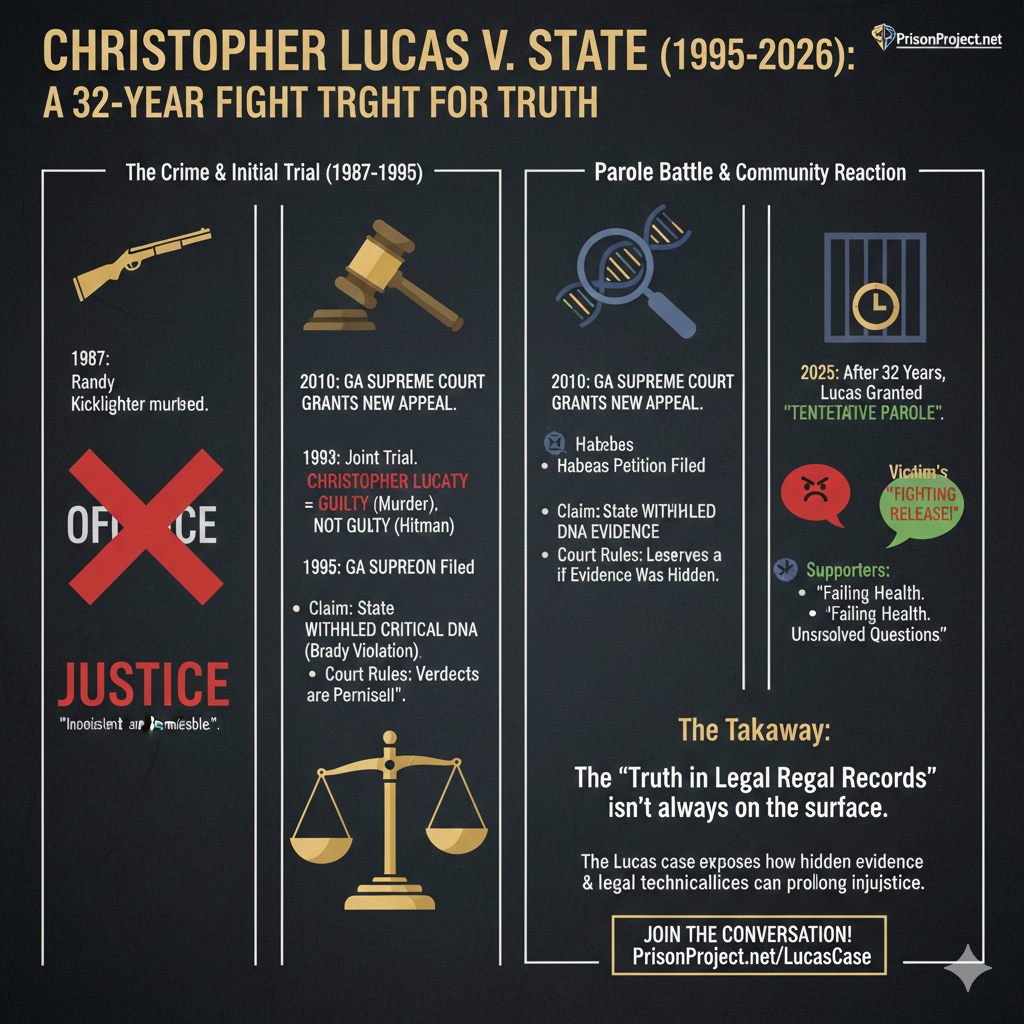
The Life and Trials of Christopher Lucas: A Decades-Long Battle for Truth
In the world of justice reform, we often talk about "closed cases." But for Christopher Lucas, convicted of the 1987 murder of his son-in-law, Randy Kicklighter, the case has remained anything but closed.
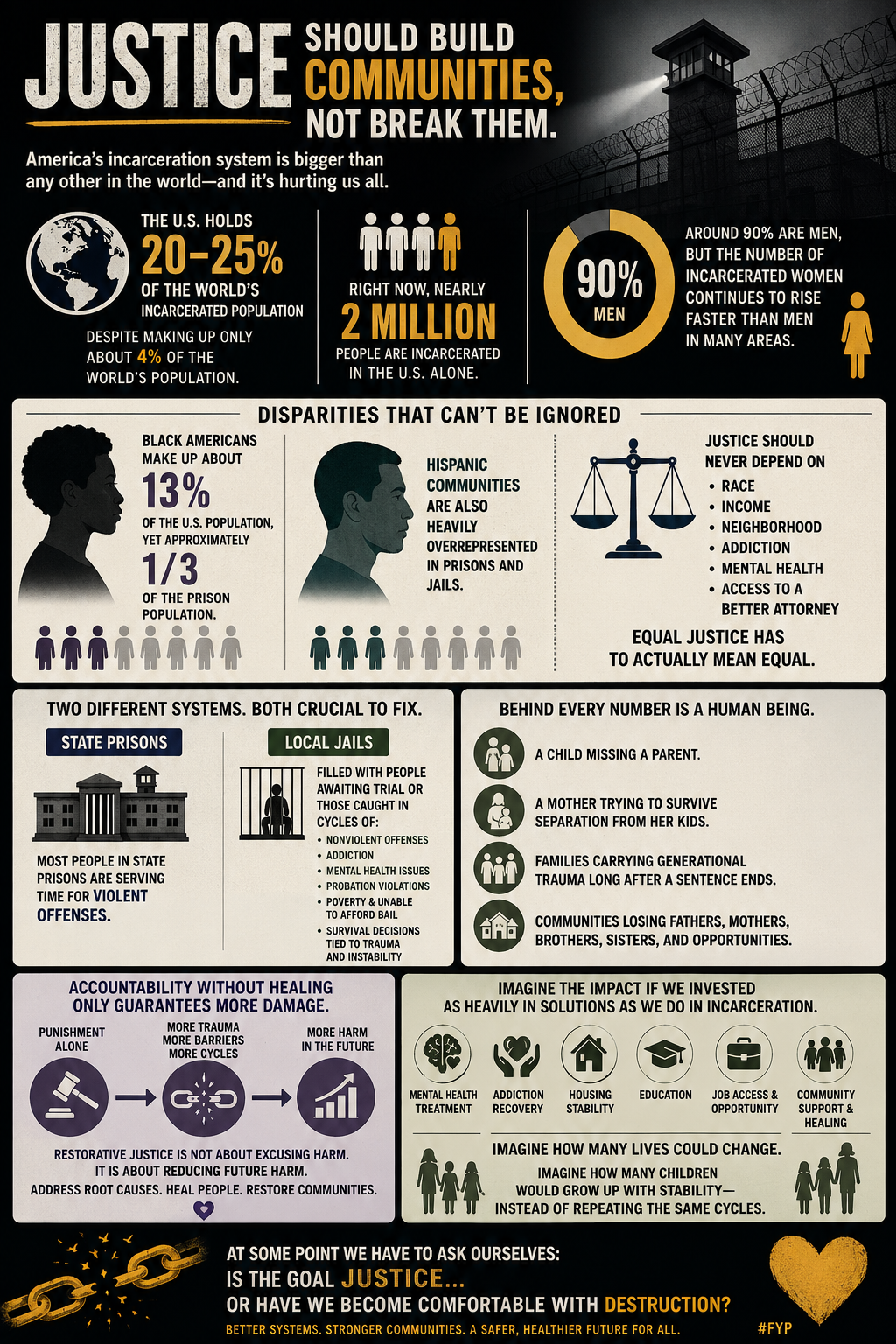 The United States holds roughly 20–25% of the world’s incarcerated population despite making up only about 4% of the world’s population. Think about that for a second.